
Whether it's a global convention or a corporate meeting or incentive, when planning an international program, every detail must be finessed with prowess to achieve success. Visas, language, time zones, and value-added tax (VAT) issues are just a few of the things that must be kept in mind when planning international meetings.
"Don't make assumptions that the U.S. way is the same as the international way, especially with regards to business culture, legal matters, and mealtimes," says Martin Sirk, chief executive officer of the International Congress and Convention Association (ICCA).
No audience can be generalized or stereotyped. "To ensure meeting professionals customize each event based on their client's specific objectives and audience, it's important that they develop a relationship with the host and ask the right questions in the planning stage," says Andrew Flack, vice president of marketing and e-commerce, Americas for Hilton. "While meeting professionals should always come prepared with base knowledge of typical business customs, they should feel empowered to begin the dialogue with their hosts."
Most importantly, don't expect the pieces to just fall together when planning an international meeting.
Use Planner Networks
"In terms of the advice to U.S. planners going offshore, it is pretty much unchanged: Get great advice before you leap," advises Sirk. Use your planner networks to speak with others who've run meetings in those countries recently.
ICCA's global network of suppliers in 95 countries, especially convention bureaus, are great sources of free, impartial advice, he adds.
Global Partners
"Ask if a U.S.-based destination management company you may have used has global partners," offers Karen Shackman, president of New York City--based Shackman Associates, a DMC. "This will prevent you from flying blind and these kinds of relationships will help a DMC partner outside of the U.S. better understand your group, especially if there are language considerations. We have these kinds of relationships in Europe, Australia, and South America."
Do Your Homework
Research is critical, says Marla Harr, a meeting planner for 25 years who is now a Phoenix, AZ--based professional development consultant and a professional speaker. "Not every country does business like we do in the United States," she says. "When you have decided where you are having your meeting, demonstrate a knowledge of the country as this is showing respect for their culture, which is critical."
Two websites Harr frequently refers to are travel.state.gov, where the U.S. government provides valuable official information on visas, passports, and safety; and the Office of the Chief of Protocol at state.gov/s/cpr. Her go-to books for questions of cultural norms are Kiss, Bow or Shake Hands by Terri Morrison and Wayne Conaway, and the Do's and Taboos series by Roger E. Axtell.
Handshakes
Making a good first impression is essential to success. One of the ways to do this is with strong eye contact and a firm handshake, but this isn't the protocol in every country. A firm handshake and strong eye contact would offend people in China. A light grip and a bow works best here. In Thailand, don't shake hands at all. You will be offered a wai, where palms are placed together at chest level and bows. Return the gesture.
Be sure to research the most appropriate way to shake hands in the country your meeting is being held in and share this information with your attendees.
Health
Find out if any vaccinations are recommended for the country you are considering. Also, have your attendees check their personal health insurance carriers to make sure they are covered should anything happen.
Site Visit
"Especially when you are out of the country, it is important to see the spaces you are looking to host your guests in. Oftentimes, international off-site spaces do not offer floor plans; therefore it is crucial to bring your measuring supplies," says Sarah Sebastian, creative director, Miami-based Rose Gold Collective, an experiential event agency specializing in business-to-business global events.
During her site inspections, Harr also visits the transportation companies she is planning to use and inspects their vehicles. "I make sure they are up to my standard for safety, comfort, and cleanliness," she says.
Create a Sense of Place
What makes meeting in an international destination so special is the cross-cultural exchange. By incorporating the exotic aspects of the location where the group is meeting, unforgettable experiences are created. "Oftentimes, attendees travel across the globe to sit in another ballroom in another hotel. Think outside the box by finding unique experiences for guests that are local to the area," adds Sebastian. Local cuisine and art are surefire ways to connect your guests to the destination and provide memorable experiences outside a ballroom.
Pillow gifts that reflect the customs and culture of the country are also more authentic than generic gifts.
The bottom line is that due diligence is necessary to produce successful international events and navigate the many challenges they present. "There are pitfalls and perils for even the most experienced planners, and the best way to avoid these is with plenty of research and thorough advance preparation," says Harr.
Questions or comments? Email [email protected]
This article appears in the May 2017 issue of Successful Meetings.
Safety
It is imperative that you have a risk management plan in place, adds Harr. How will you communicate to the group in case of an emergency, be that a terrorist attack, extreme weather, or a natural disaster? Has your emergency plan been clearly communicated to the event staff on site?
Shipping of Materials
Know the customs procedures and processes or you may never see your packages, explains Harr. Carnets, commonly known as merchandise passports, are international customs documents that simplify customs procedures for the temporary importation of various types of goods. Apply for one through the United States Council for International Business to help get your materials there on time.
Budget
Budgets, often compiled a year in advance, can become complicated with the unpredictability of exchange rates. Most planners use the local currency of the destination where the conference is being held. At the moment, most exchange rates are fairly favorable for the U.S. dollar.
In addition, understand VAT for the country you are going to and know which VAT items can be reclaimed and how to get the money back.
Visas
Find out well in advance what visa requirements the country might have, because it could take longer and cost more than you might think. Also, learn what the passport requirements are -- some countries require that passports be valid for more than six months after you depart the country.
"Far too often I get calls from individuals who set up meetings and now have team members who are ineligible to obtain visas, disrupting the meeting's success," says Renata Castro, Esq., Castro Legal Group, a boutique law practice, based in Pompano Beach, FL, with a focus on immigration. "Individuals who have lived in the U.S. previously without lawful status tend to not disclose information about their past, and once an opportunity to go abroad for a meeting or conference arises, uncomfortable discussions take place between the meeting coordinator and the participant who is not able to obtain a visa. It is imperative to consult an immigration attorney licensed in the jurisdiction where the meeting will take place to discuss the mechanics of getting all attendees and support staff to the meeting successfully."
Not only can law firms help, but companies like PassportsAndVisas.com offer expedited passport and visas services, with options for corporate packages as well.
Cultural Pitfalls to Avoid
While addressing a group of 400, predominately men, in Kyoto, Japan, a U.S.-based speaker looked out into the audience and everyone's eyes were closed. "I thought I had bombed," says Cynthia Lett, CPP, CTP, director and CEO of The Lett Group, a business etiquette and international protocol consulting and training company. "Was I surprised when I got a standing ovation. I didn't think they had heard a word I had said. My contact who invited me to the conference did not share with me that I shouldn't be alarmed if the audience looks like it is sleeping, as this is what the Japanese do when they are listening intently."
To prevent cross-cultural mishaps, Lett offers the following tips to help ensure your international meetings and incentives run as smoothly as possible:
Business Cards
Business cards are an internationally recognized way to present your personal contact information. How you hand a business card to someone differs from country to country. It is important that your attendees remember to never hand out cards as if they are dealers in a game of poker. It is best that cards are presented with two hands by each person.
"Make sure you inform your participants to have their business cards translated into the language of the country you are visiting on one side and in English on another," says Lett. "Also, make sure your title is understandable in the country you are visiting. If it is not, alter it."
Learning Style
Familiarize yourself with the learning style practiced in the country you are visiting. "In China, participants write down everything. They want a script of every word that is said. On the other hand, in Japan, they don't need a script as they listen intently. Germans want everything in writing," says Lett.
Check the Calendar
Make sure there are not any national or religious holidays during the time of your meeting or incentive at the destination you are considering. When is high season? Low season?
Dress Code
Be aware of the dress requirements in the destination. "Different countries have different formality levels, especially in different seasons," says Lett. "What is acceptable as business casual in the United States wouldn't be as acceptable to the Swiss, Germans, or French. Inform your participants, giving them plenty of time before they pack, of what is acceptable."
Gift Giving
Research the particular country where you are meeting, as gift-giving requirements vary widely. For example, in Thailand, it's customary to exchange gifts during your second business meeting. In China, however, gift giving may be considered a form of bribery and actually be illegal.
Safety
It is imperative that you have a risk management plan in place, adds Harr. How will you communicate to the group in case of an emergency, be that a terrorist attack, extreme weather, or a natural disaster? Has your emergency plan been clearly communicated to the event staff on site?
Shipping of Materials
Know the customs procedures and processes or you may never see your packages, explains Harr. Carnets, commonly known as merchandise passports, are international customs documents that simplify customs procedures for the temporary importation of various types of goods. Apply for one through the United States Council for International Business to help get your materials there on time.
Budget
Budgets, often compiled a year in advance, can become complicated with the unpredictability of exchange rates. Most planners use the local currency of the destination where the conference is being held. At the moment, most exchange rates are fairly favorable for the U.S. dollar.
In addition, understand VAT for the country you are going to and know which VAT items can be reclaimed and how to get the money back.
Visas
Find out well in advance what visa requirements the country might have, because it could take longer and cost more than you might think. Also, learn what the passport requirements are -- some countries require that passports be valid for more than six months after you depart the country.
"Far too often I get calls from individuals who set up meetings and now have team members who are ineligible to obtain visas, disrupting the meeting's success," says Renata Castro, Esq., Castro Legal Group, a boutique law practice, based in Pompano Beach, FL, with a focus on immigration. "Individuals who have lived in the U.S. previously without lawful status tend to not disclose information about their past, and once an opportunity to go abroad for a meeting or conference arises, uncomfortable discussions take place between the meeting coordinator and the participant who is not able to obtain a visa. It is imperative to consult an immigration attorney licensed in the jurisdiction where the meeting will take place to discuss the mechanics of getting all attendees and support staff to the meeting successfully."
Not only can law firms help, but companies like PassportsAndVisas.com offer expedited passport and visas services, with options for corporate packages as well.
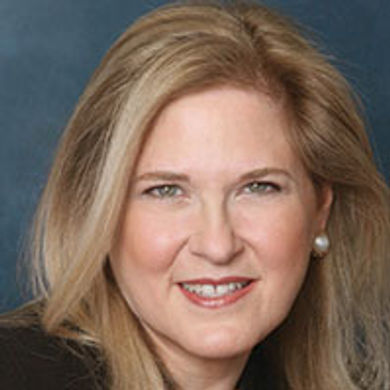 Cynthia Lett, The Lett Group
Cultural Pitfalls to Avoid
While addressing a group of 400, predominately men, in Kyoto, Japan, a U.S.-based speaker looked out into the audience and everyone's eyes were closed. "I thought I had bombed," says Cynthia Lett, CPP, CTP, director and CEO of The Lett Group, a business etiquette and international protocol consulting and training company. "Was I surprised when I got a standing ovation. I didn't think they had heard a word I had said. My contact who invited me to the conference did not share with me that I shouldn't be alarmed if the audience looks like it is sleeping, as this is what the Japanese do when they are listening intently."
To prevent cross-cultural mishaps, Lett offers the following tips to help ensure your international meetings and incentives run as smoothly as possible:
Business Cards
Business cards are an internationally recognized way to present your personal contact information. How you hand a business card to someone differs from country to country. It is important that your attendees remember to never hand out cards as if they are dealers in a game of poker. It is best that cards are presented with two hands by each person.
"Make sure you inform your participants to have their business cards translated into the language of the country you are visiting on one side and in English on another," says Lett. "Also, make sure your title is understandable in the country you are visiting. If it is not, alter it."
Learning Style
Familiarize yourself with the learning style practiced in the country you are visiting. "In China, participants write down everything. They want a script of every word that is said. On the other hand, in Japan, they don't need a script as they listen intently. Germans want everything in writing," says Lett.
Check the Calendar
Make sure there are not any national or religious holidays during the time of your meeting or incentive at the destination you are considering. When is high season? Low season?
Dress Code
Be aware of the dress requirements in the destination. "Different countries have different formality levels, especially in different seasons," says Lett. "What is acceptable as business casual in the United States wouldn't be as acceptable to the Swiss, Germans, or French. Inform your participants, giving them plenty of time before they pack, of what is acceptable."
Gift Giving
Research the particular country where you are meeting, as gift-giving requirements vary widely. For example, in Thailand, it's customary to exchange gifts during your second business meeting. In China, however, gift giving may be considered a form of bribery and actually be illegal.
Handshakes
Making a good first impression is essential to success. One of the ways to do this is with strong eye contact and a firm handshake, but this isn't the protocol in every country. A firm handshake and strong eye contact would offend people in China. A light grip and a bow works best here. In Thailand, don't shake hands at all. You will be offered a wai, where palms are placed together at chest level and bows. Return the gesture.
Be sure to research the most appropriate way to shake hands in the country your meeting is being held in and share this information with your attendees.
Health
Find out if any vaccinations are recommended for the country you are considering. Also, have your attendees check their personal health insurance carriers to make sure they are covered should anything happen.
Site Visit
"Especially when you are out of the country, it is important to see the spaces you are looking to host your guests in. Oftentimes, international off-site spaces do not offer floor plans; therefore it is crucial to bring your measuring supplies," says Sarah Sebastian, creative director, Miami-based Rose Gold Collective, an experiential event agency specializing in business-to-business global events.
 Sarah Sebastian
Rose Gold Collective
Sarah Sebastian
Rose Gold CollectiveDuring her site inspections, Harr also visits the transportation companies she is planning to use and inspects their vehicles. "I make sure they are up to my standard for safety, comfort, and cleanliness," she says.
Create a Sense of Place
What makes meeting in an international destination so special is the cross-cultural exchange. By incorporating the exotic aspects of the location where the group is meeting, unforgettable experiences are created. "Oftentimes, attendees travel across the globe to sit in another ballroom in another hotel. Think outside the box by finding unique experiences for guests that are local to the area," adds Sebastian. Local cuisine and art are surefire ways to connect your guests to the destination and provide memorable experiences outside a ballroom.
Pillow gifts that reflect the customs and culture of the country are also more authentic than generic gifts.
The bottom line is that due diligence is necessary to produce successful international events and navigate the many challenges they present. "There are pitfalls and perils for even the most experienced planners, and the best way to avoid these is with plenty of research and thorough advance preparation," says Harr.
Questions or comments? Email [email protected]
This article appears in the May 2017 issue of Successful Meetings.